Terroir
The language of wine tasting notes
Jan 16, 2026
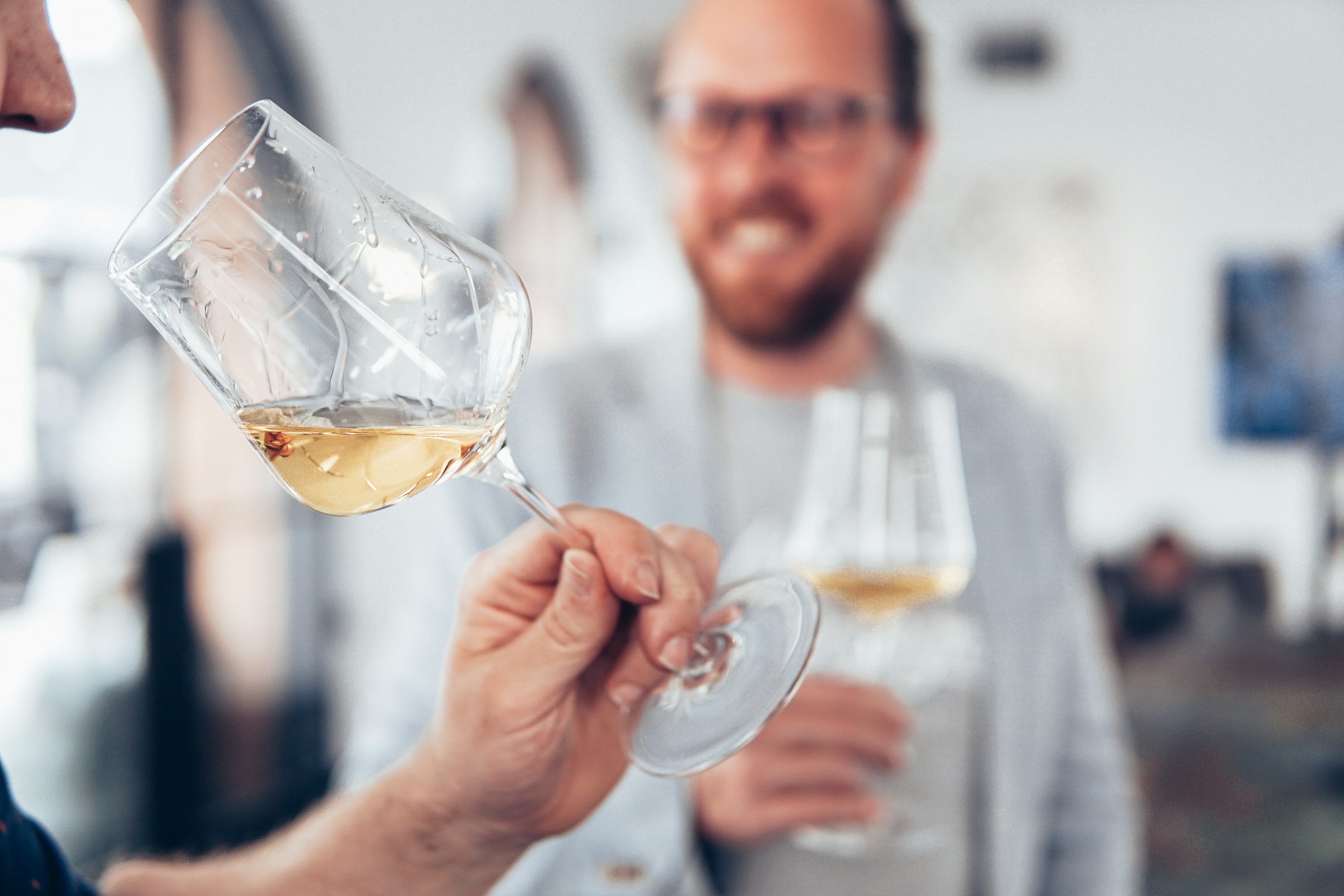
Wine tasting notes can feel intimidating. Words like minerality, structure, or tertiary aromas might sound like a secret code designed to exclude everyone else. In reality, tasting language isn’t about showing off—it’s about giving you better tools to understand what you’re experiencing in the glass.
Once you grasp the basics, tasting notes stop feeling pretentious and start becoming genuinely useful.
Why wine has its own language
Wine is complex. A single glass can contain hundreds of aromatic compounds, shifting textures, and flavours that evolve from first sip to finish. Ordinary language struggles to capture that, so wine drinkers borrow and refine words to describe aroma, flavour, texture, and structure.
The goal isn’t to taste exactly what someone else tastes, but to communicate clearly. If you can describe a wine well, you’re more likely to buy bottles you enjoy—and avoid ones you won’t.
Aroma vs flavour: a crucial distinction
One of the first things to understand is the difference between aroma and flavour.
Aromas are what you smell before tasting: citrus, apple, toast, flowers, spice.
Flavours are what you perceive once the wine is in your mouth, combining taste, aroma, and texture.
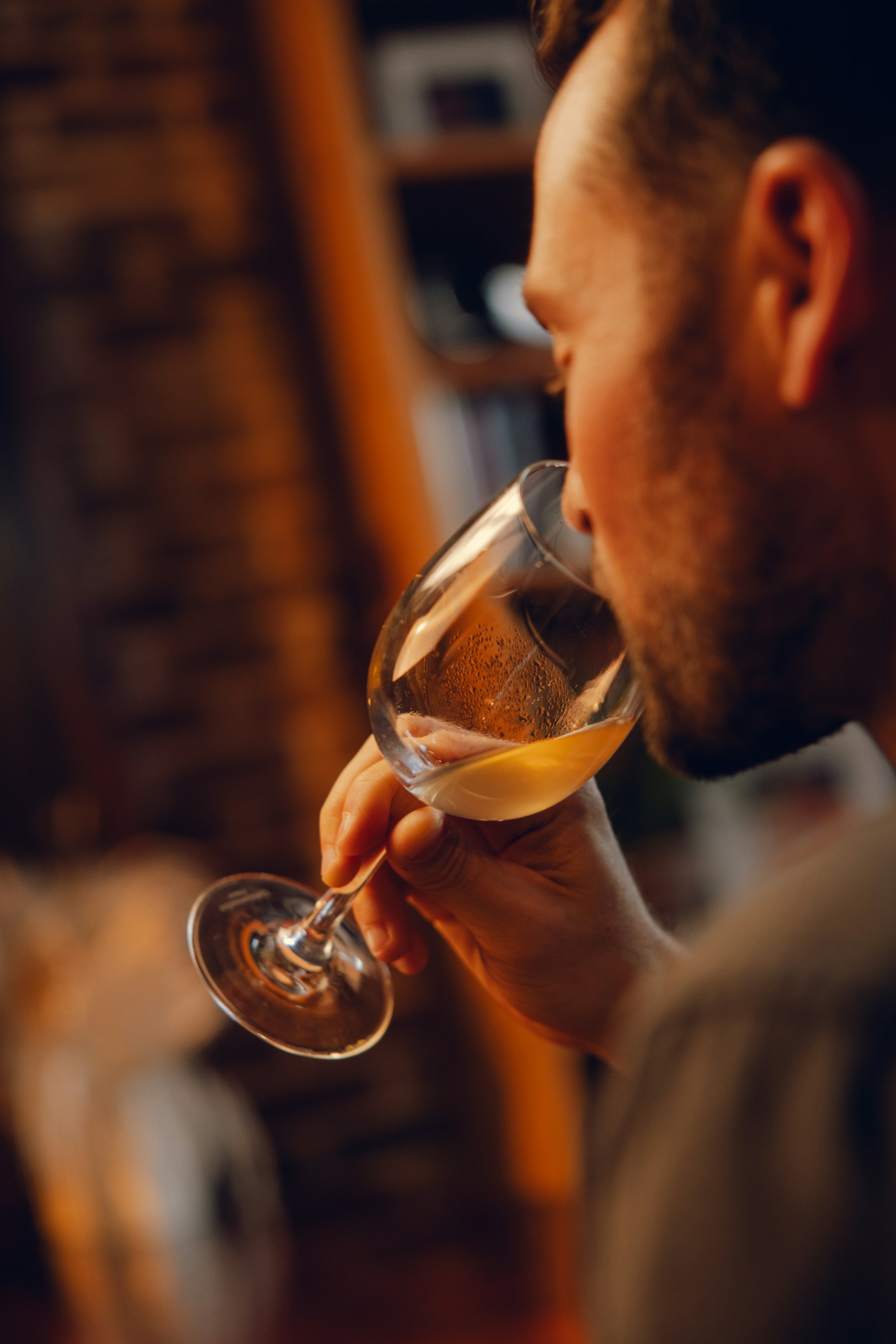
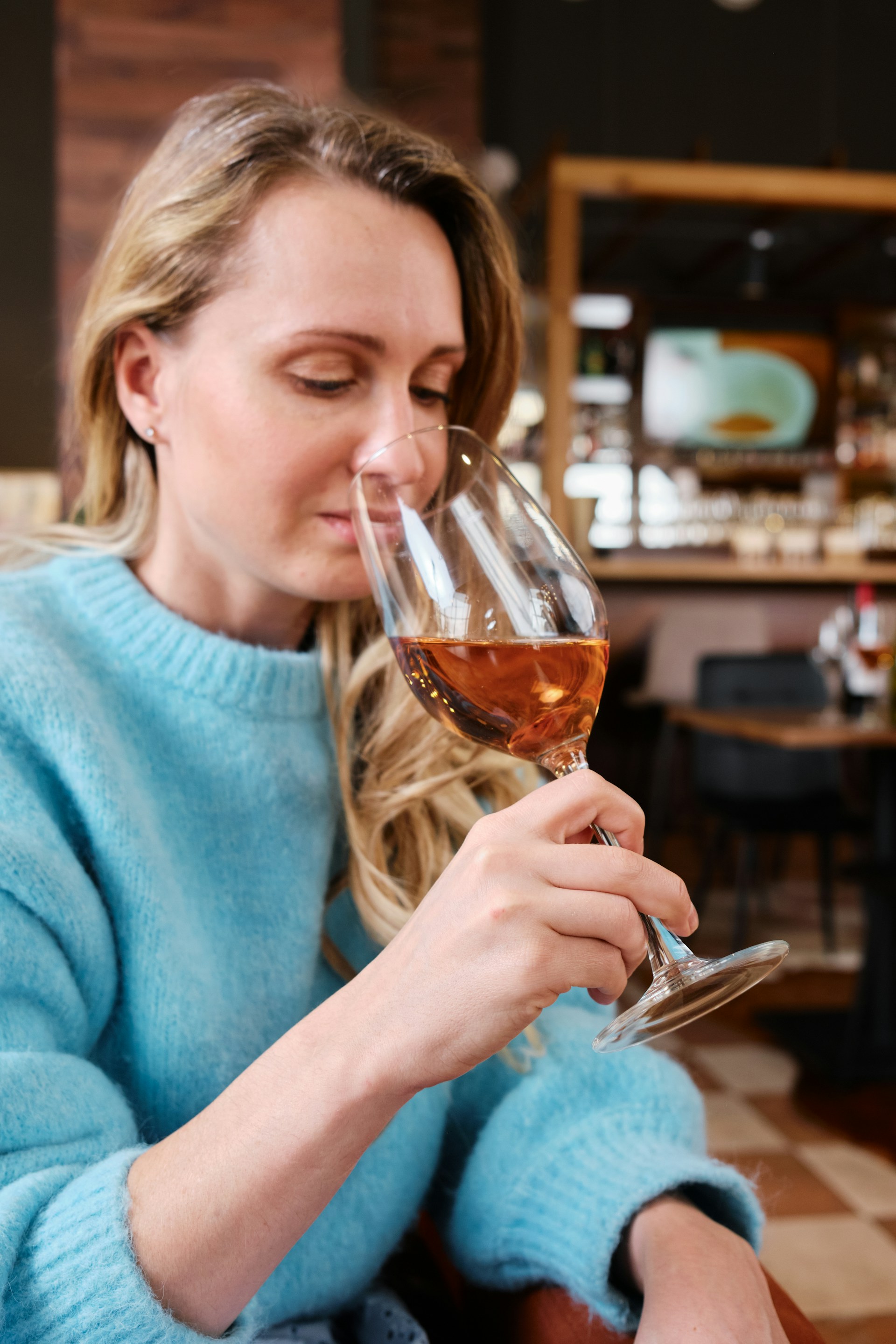
Much of what we call “taste” actually comes from smell, which is why swirling the glass and taking time to sniff matters so much.
Fruit, non-fruit, and everything in between
Tasting notes often start with fruit descriptors because they’re the easiest reference point:
Primary fruit: lemon, apple, pear, peach, cherry, blackberry.
Non-fruit notes: herbs, nuts, spice, earth, smoke, or floral aromas.
These don’t mean the wine literally contains these ingredients. They’re comparisons—shortcuts your brain uses to make sense of complex smells.
Texture and structure: how wine feels
Beyond flavour, experienced tasters pay close attention to how wine feels in the mouth.
Acidity: Described as crisp, fresh, bright, or sharp. High acidity makes your mouth water.
Body: Light, medium, or full-bodied—how heavy or weighty the wine feels.
Alcohol: Can feel warming or integrated.
Tannin (mainly in reds): Drying, gripping, silky, or firm.
In white wines, you might also hear creamy, oily, or chalky, often influenced by winemaking choices like lees ageing or oak.
Finish and balance
The finish refers to how long flavours linger after you swallow. A long, persistent finish is often a sign of quality, but balance matters just as much.
A balanced wine feels harmonious—no single element (acid, alcohol, oak, or sweetness) overwhelms the others. When tasting notes praise balance, they’re often highlighting this sense of cohesion.
Don’t chase “correct” answers
Perhaps the most important thing to remember: tasting notes are subjective. If someone tastes pineapple and you taste lemon zest, neither of you is wrong. What matters is learning to articulate what you notice.
The more you taste and read notes alongside your own impressions, the more fluent you become. Over time, this shared vocabulary turns wine from something you simply drink into something you genuinely understand—and enjoy on a deeper level.