Tasting
Decoding wine labels from around the world
Jan 16, 2026
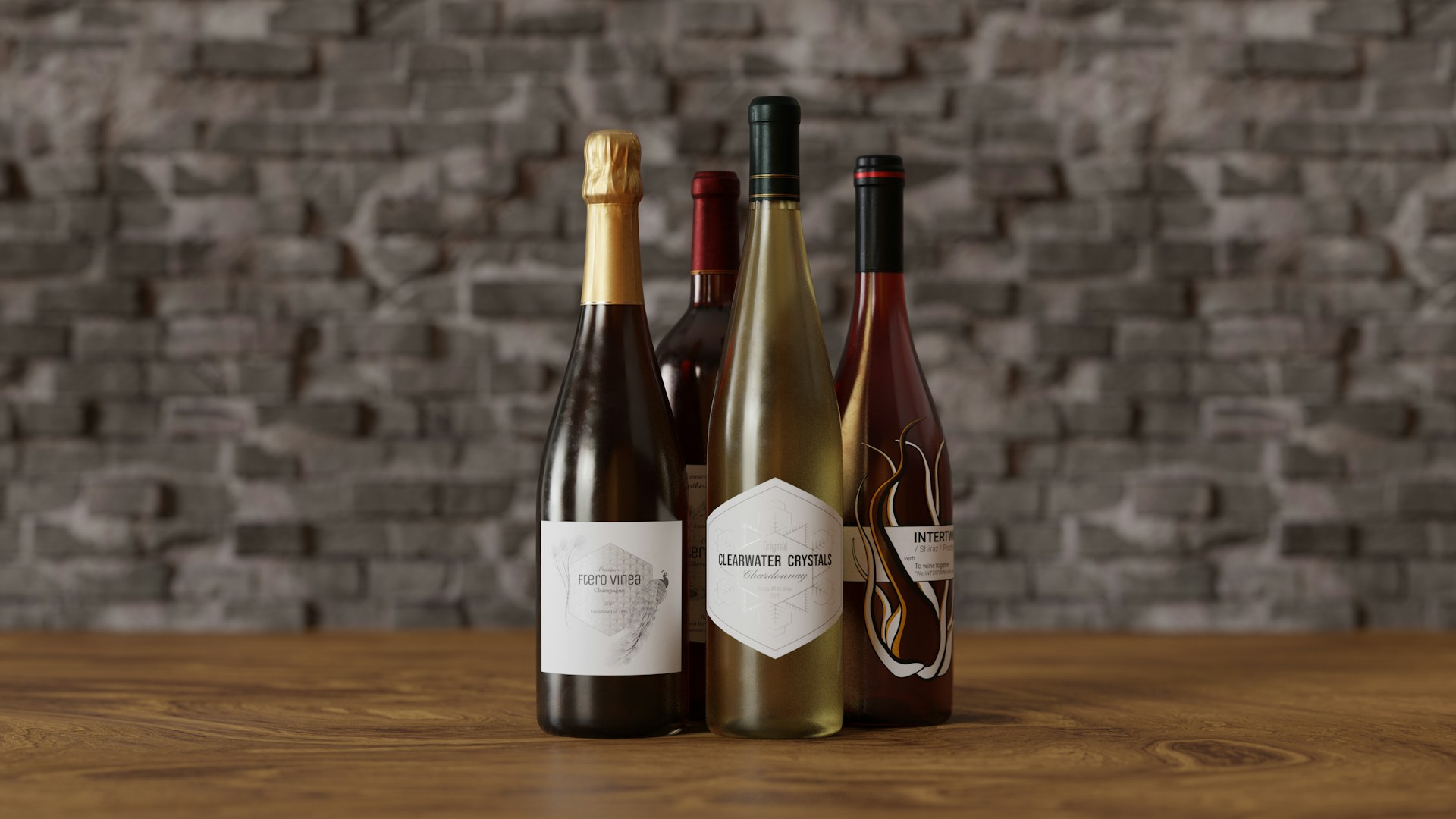
A wine label can feel like a puzzle. Some are packed with unfamiliar place names and formal wording; others are bold, friendly, and grape-led. Learning how to read labels won’t tell you everything about a wine, but it will give you powerful clues—and help you avoid disappointment at the till.
Old World vs New World: two philosophies
One of the biggest divides in wine labelling is between so-called Old World and New World regions.
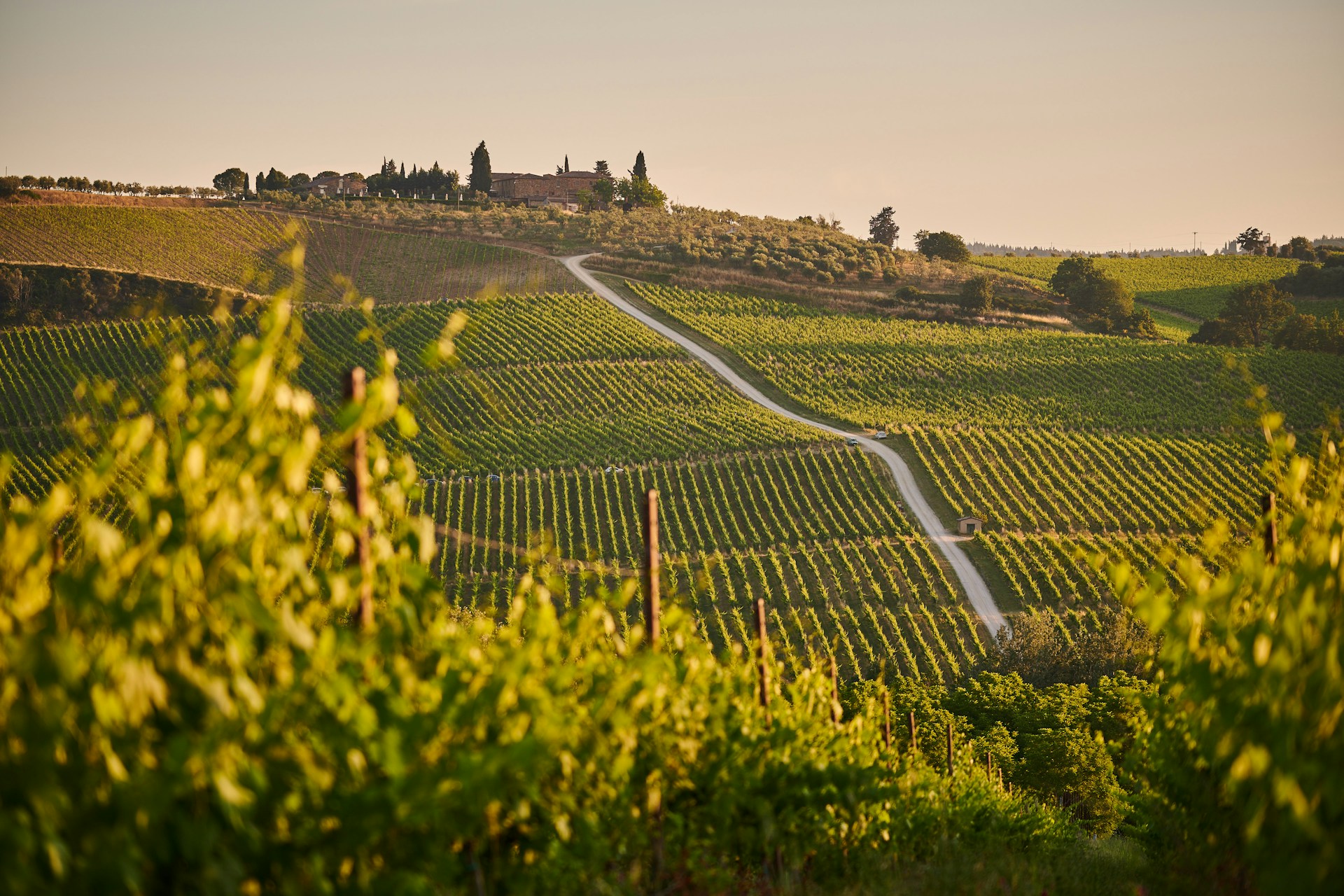
In much of Europe, labels focus on place, not grape. A bottle from Burgundy or Bordeaux may not mention grape varieties at all. The assumption is that the drinker understands the traditional grapes associated with that region.
By contrast, New World wines—think Napa Valley, Australia, or New Zealand—tend to prioritise grape variety. Labels are usually clearer and more direct: Chardonnay, Pinot Noir, Sauvignon Blanc.
Neither approach is better; they’re just different ways of communicating identity.
What a wine label usually tells you
Most labels include a few core elements:
Producer or brand name – Who made the wine.
Region or appellation – Where the grapes were grown.
Vintage – The year the grapes were harvested.
Alcohol by volume (ABV) – A subtle clue to body and ripeness.
Bottle size – Typically 750ml.
Some labels also include grape variety, vineyard name, or quality classifications, depending on local laws.
Understanding appellations and classifications
In Europe, appellations are tightly regulated. They define not just geography, but grape varieties, yields, and winemaking methods. Seeing an appellation on a label tells you the wine meets certain standards—but not necessarily that it’s exceptional.
Words like Grand Cru, Reserva, or DOCG sound impressive, but they indicate legal status, not personal preference. A humbler classification can still deliver a wine you love more.
What the label doesn’t tell you
Here’s where things get interesting. Labels rarely tell you:
How the wine actually tastes
Whether it’s light or full-bodied
How much oak was used
Whether it’s fresh and zesty or rich and creamy
Marketing language like smooth, luxurious, or handcrafted is unregulated and subjective. It’s designed to sell, not to educate.
Even alcohol level, while useful, doesn’t tell the full story. A 13% wine can feel richer than a 14% wine depending on acidity, fruit, and structure.
The back label: your secret weapon
If there is one place to look for real help, it’s the back label. This is where producers often describe flavour profile, food pairings, and winemaking approach in plain language.
While still subjective, these notes are usually more useful than front-label claims—and can quickly tell you whether the wine suits your taste.
Putting it all together
Reading a wine label is about gathering clues, not finding guarantees. Use region to understand style, grape variety to predict flavours, and alcohol level to judge weight. Ignore flashy words, scan the back label, and trust your instincts.
The label won’t tell you everything—but once you know how to read it, it tells you more than enough to choose with confidence.