Vineyard
Burgundy's climate and what it means for you
Jan 16, 2026
When people talk about Burgundy, they often mention its vineyards, villages, and famous names—but underpinning everything is climate. More than almost any other wine region, Burgundy is defined by its climate, and understanding it can genuinely help you choose wines you’ll love (and know when to open them).
A cool climate with high stakes
Burgundy has a cool continental climate, meaning cold winters, warm summers, and significant variation from year to year. This creates both magic and risk. Spring frosts can damage buds, summer hailstorms can devastate vineyards in minutes, and rain at harvest can threaten ripeness and quality.
For you as a drinker, this means Burgundy wines are rarely uniform. Vintage matters a great deal, and subtle differences in weather can have a noticeable impact on flavour, structure, and ageing potential.
Why cool climate matters in the glass
Cool climates tend to produce wines with higher acidity, lower alcohol, and more restrained fruit flavours. In Burgundy, this translates into wines that feel fresh, precise, and elegant rather than bold or jammy.
White Burgundies, typically made from Chardonnay, guarantee citrus, green apple, stone fruit, and mineral notes. Reds, made from Pinot Noir, often show red cherry, raspberry, floral tones, and earthy complexity rather than dark, heavy fruit.
If you enjoy wines that feel balanced, food-friendly, and expressive rather than overpowering, Burgundy’s climate is likely already speaking your language.
Marginal ripening and vintage variation
Burgundy sits on the edge of what’s possible for ripening grapes. Some years are cool and challenging, producing lighter, more acidic wines. Others are warm and generous, giving riper fruit and softer textures.
For you, this means:
Cooler vintages often suit earlier drinking and pair beautifully with food.
Warmer vintages tend to feel more approachable when young and appeal to drinkers who prefer slightly richer styles.
Learning a little about vintages can help you buy more confidently—especially when choosing wines for cellaring or special occasions.
Microclimates: why place matters so much
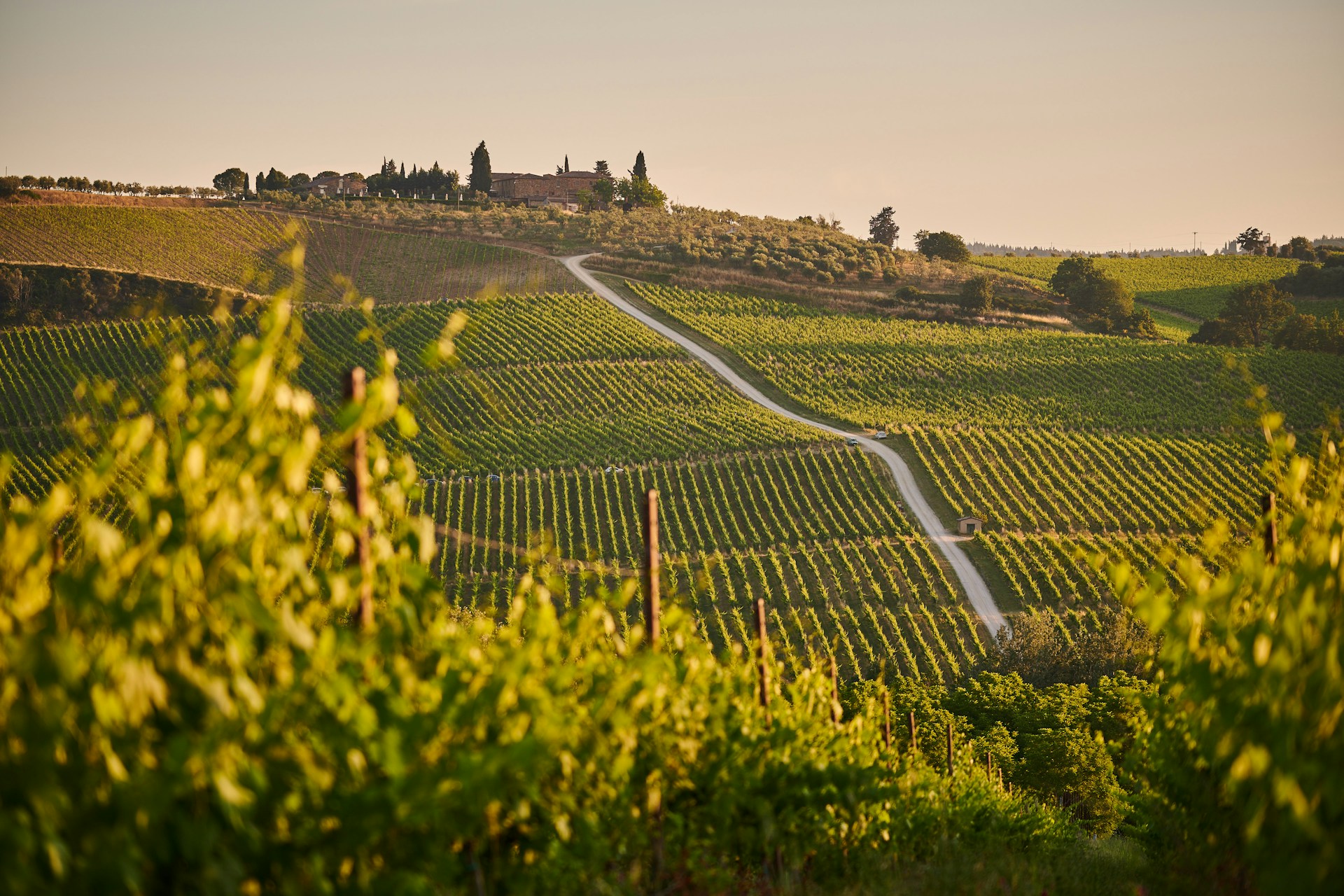
Burgundy is famous for its tiny differences in site, known as terroir. Slope angle, soil type, drainage, and sun exposure all interact with the climate. A vineyard just metres away can experience different temperatures or frost risk.
This remembers why two wines made from the same grape, in the same village, can taste remarkably different. For you, it means exploration is part of the joy—finding producers or vineyards whose style matches your preferences.
Climate change and modern Burgundy
Warmer growing seasons have made ripening more reliable in recent decades, often improving consistency. However, extreme weather events are also increasing. Modern Burgundies may feel slightly riper than those of the past, but the region’s naturally cool climate still keeps wines fresh and balanced.
What this means for you
Understanding Burgundy’s climate helps set expectations. These are wines shaped by nuance, variation, and place. If you value elegance, freshness, and wines that evolve in the glass—and over time—Burgundy’s climate is a big part of why these bottles continue to captivate drinkers around the world.